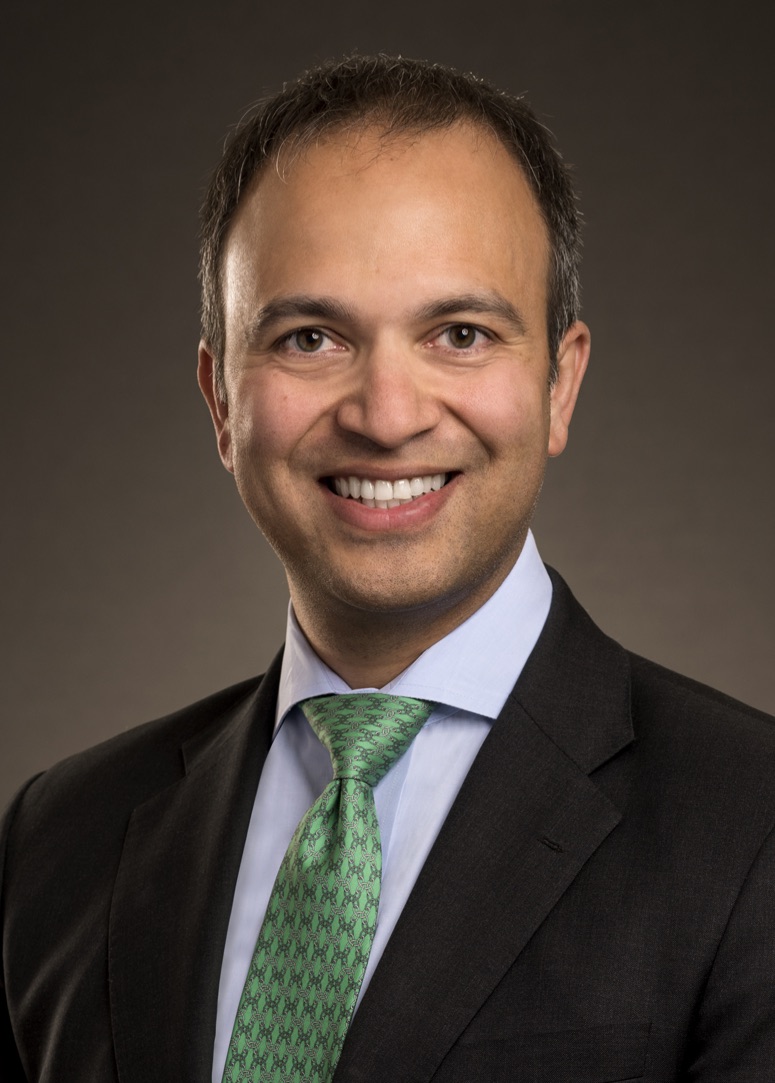
Board-certified cardiac electrophysiologist specializing in heart rhythm disorders, cardiac device management, and advanced arrhythmia treatment. Compassionate, individualized care built on world-class training.
Dr. Colombowala is a board-certified cardiologist and clinical cardiac electrophysiologist originally from Houston, Texas. He attended Dartmouth College for his undergraduate degree in Biochemistry and Molecular Biology, then earned his Doctor of Medicine from Baylor College of Medicine, where he also earned certification in medical ethics.
He completed his Internal Medicine residency and Cardiovascular Disease fellowship at Baylor, followed by advanced training in Clinical Cardiac Electrophysiology at the world-renowned Texas Heart Institute.
Dr. Colombowala founded the first cardiac arrhythmia program in Northwest Montana in 2011. He then served as Chairman of the Department of Cardiology and Cardiac Surgery at Saint Alphonsus Regional Medical Center in Boise, Idaho, where he was also Co-Director of Cardiac Arrhythmia Services and Director of Device Based Arrhythmia Management and Remote Monitoring.
Having returned home to Houston, Dr. Colombowala serves as Clinical Assistant Professor at Baylor College of Medicine and continues to provide caring, state-of-the-art arrhythmia management services, collaborating with physicians across the region to deliver exceptional cardiovascular care.
Outside of work, Dr. Colombowala enjoys spending time with his wife and three sons, skiing, hiking, and fly fishing.
From diagnostic evaluation to advanced interventional procedures, we offer a full spectrum of cardiac electrophysiology services.
Advanced diagnostic testing to evaluate the heart's electrical system and identify the precise cause of arrhythmias, enabling targeted treatment plans.
Minimally invasive catheter-based procedures to treat atrial fibrillation, SVT, and other arrhythmias by targeting and eliminating abnormal electrical pathways.
Expert placement and management of pacemakers, defibrillators (ICDs), cardiac resynchronization therapy (CRT) devices, and leadless pacemakers.
Comprehensive heart rhythm monitoring including Holter monitors, event monitors, mobile cardiac telemetry, and implantable loop recorders for accurate diagnosis.
Comprehensive evaluation and treatment of all types of heart rhythm disorders, including atrial fibrillation, SVT, ventricular tachycardia, and bradycardia.
Thorough in-office evaluations for new and existing patients, including review of cardiac history, diagnostic interpretation, and individualized care plans.
Knowledge empowers better health decisions. Explore these resources to learn more about common heart rhythm conditions and treatments.
The most common heart rhythm disorder, affecting millions of Americans. Understanding AFib is the first step toward effective management.
Atrial fibrillation (AFib) is an irregular, often rapid heart rhythm originating in the upper chambers (atria) of the heart. Instead of beating effectively, the atria quiver chaotically, which can lead to blood pooling, clot formation, and an increased risk of stroke.
SVT causes episodes of abnormally fast heart rate originating above the ventricles. Most forms are highly treatable with modern approaches.
Supraventricular tachycardia (SVT) refers to a group of abnormally fast heart rhythms that originate in the upper chambers of the heart or the AV node. During an episode, the heart rate can accelerate to 150–250 beats per minute.
A next-generation ablation technology that uses rapid, high-voltage electrical pulses to treat atrial fibrillation — offering a safer, more precise alternative to traditional heat- and cold-based ablation.
Pulsed field ablation (PFA) represents a major advancement in catheter-based treatment for atrial fibrillation. Unlike radiofrequency ablation (which uses heat) or cryoablation (which uses extreme cold), PFA uses ultra-rapid, high-voltage electrical pulses to selectively target heart tissue while preserving surrounding structures such as the esophagus, phrenic nerve, and pulmonary veins.
PFA delivers precisely timed electrical fields that create microscopic pores in the membranes of targeted cardiac cells — a process called irreversible electroporation. This disrupts the abnormal electrical signals causing atrial fibrillation while leaving neighboring tissues largely unaffected, significantly reducing the risk of collateral damage that can occur with thermal-based ablation.
PFA is FDA-approved for the treatment of both paroxysmal and persistent atrial fibrillation. It may be an especially good option for patients who prefer to avoid general anesthesia, those concerned about the risks of thermal ablation, or patients undergoing their first ablation procedure. Dr. Colombowala can help determine whether PFA is the right approach for your specific situation.
Landmark clinical evidence now shows that treating atrial fibrillation early — rather than waiting — significantly reduces the risk of stroke, heart failure, and cardiovascular death.
For decades, atrial fibrillation was often managed with a "wait and see" approach — controlling heart rate with medication and adding rhythm-control treatments only if symptoms worsened. Landmark research has fundamentally changed this paradigm, demonstrating that early, proactive intervention leads to significantly better long-term outcomes.
The EAST-AFNET 4 trial, a major international study published in the New England Journal of Medicine, found that patients who received early rhythm-control therapy within the first year of their AFib diagnosis had a 21% lower risk of cardiovascular death, stroke, and hospitalization for heart failure compared to patients managed with usual care. The trial was stopped early because the benefit of early treatment was so clear.
If you have been recently diagnosed with atrial fibrillation — or suspect you may have it — seeking evaluation with an electrophysiologist sooner rather than later can make a meaningful difference in your long-term cardiovascular health. Dr. Colombowala works with each patient to develop a personalized treatment strategy that may include lifestyle modifications, medication management, or catheter ablation to restore and maintain normal heart rhythm early in the disease process.
Small implantable devices that help regulate the heartbeat when the heart's natural electrical system is too slow or unreliable.
A pacemaker is a small device implanted under the skin, typically near the collarbone, that sends electrical impulses to the heart to maintain an adequate heart rate. Modern pacemakers are sophisticated, long-lasting, and can be monitored remotely.
Implantable cardioverter-defibrillators provide life-saving protection against dangerous heart rhythms and sudden cardiac arrest.
An implantable cardioverter-defibrillator (ICD) is a device similar to a pacemaker that continuously monitors heart rhythm. If it detects a dangerously fast or chaotic rhythm, it delivers a precisely calibrated electrical shock to restore the normal heartbeat.
Specialized cardiac devices that help the heart pump more effectively, improving symptoms and quality of life for heart failure patients.
Cardiac resynchronization therapy (CRT) is a treatment for heart failure in which a specialized pacemaker coordinates the contractions of the heart's lower chambers. This helps the heart pump blood more efficiently, often leading to significant improvement in symptoms and cardiac function.
Advanced monitoring technologies that capture your heart's electrical activity to help diagnose rhythm disorders that may come and go.
Cardiac monitoring involves wearing or having implanted a small device that records the heart's electrical activity over time. Because many arrhythmias occur intermittently, extended monitoring dramatically increases the likelihood of capturing and diagnosing the cause of symptoms.
Fainting (syncope) can be caused by heart rhythm problems or dysfunction of the autonomic nervous system. A thorough evaluation is essential to identify the cause and guide treatment.
Syncope — the medical term for fainting — is a temporary loss of consciousness caused by a brief drop in blood flow to the brain. While some episodes are harmless, others can signal a serious underlying cardiac or neurological condition. An electrophysiologist plays a critical role in distinguishing benign causes from potentially life-threatening arrhythmias.
Dysautonomia refers to a group of conditions in which the autonomic nervous system — which controls involuntary functions like heart rate, blood pressure, and digestion — does not work properly. This can lead to lightheadedness, fainting, rapid heart rate on standing, exercise intolerance, fatigue, and difficulty concentrating. Common forms include postural orthostatic tachycardia syndrome (POTS), neurocardiogenic syncope, and autonomic neuropathy.
Treatment depends on the underlying cause and may include lifestyle modifications (increased fluid and salt intake, compression garments, counter-pressure maneuvers), medications to stabilize heart rate or blood pressure, cardiac devices such as pacemakers for certain types of syncope, or catheter ablation if an arrhythmia is identified as the cause. Dr. Colombowala provides a comprehensive evaluation to determine the cause of fainting episodes and develop a tailored management plan.
Whether you're seeking a second opinion, managing an existing condition, or experiencing new symptoms, we welcome the opportunity to provide you with expert, compassionate care.
13325 Hargrave Rd, Suite 280
Houston, TX 77070
Monday – Friday
8:30 AM – 5:00 PM